
 Send Inquiry
FLOATING FEED 2.0 MM
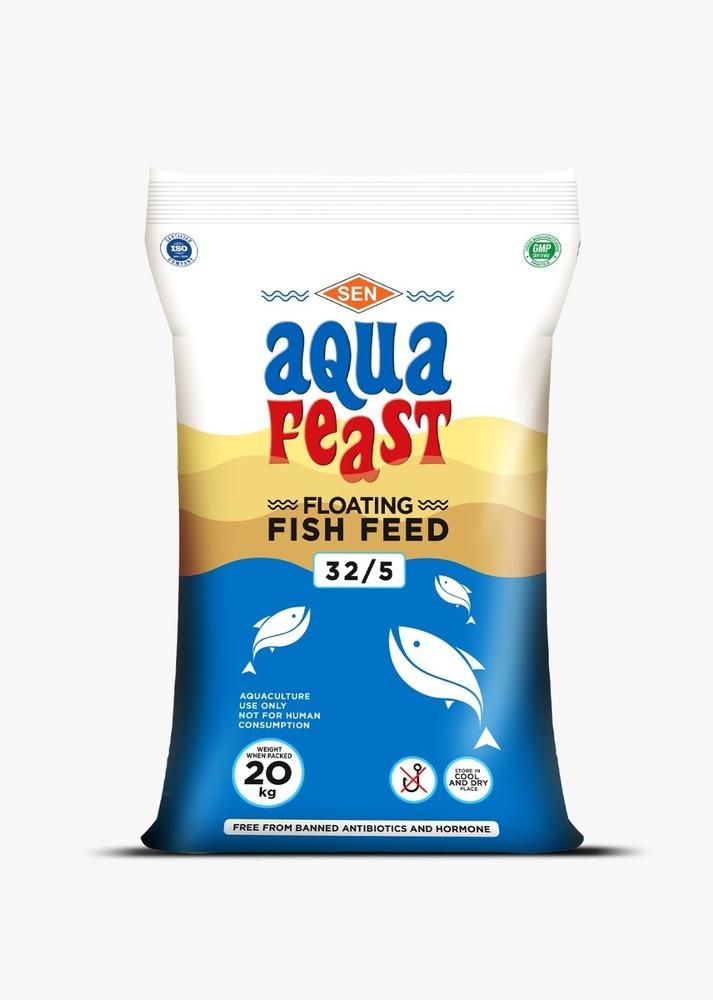
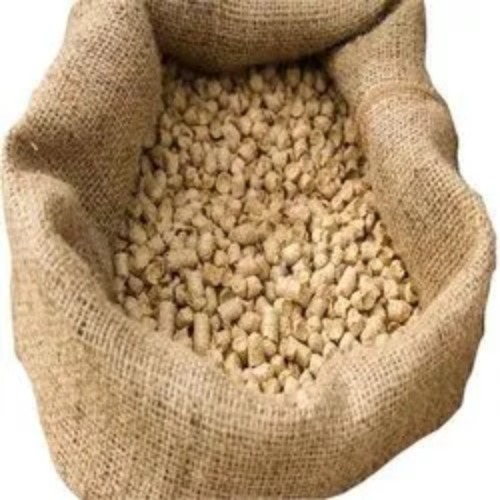

FLOATING FEED 2.0 MM Specification
- Product Type
- Other
- Material
- Granular
- Fishing Net Type
- Other
- Plastic Type
- Other
- Net Knot
- Other
- Thickness
- BAG Centimeter (cm)
- Diameter
- NA Millimeter (mm)
- Shape
- BAG
- Length
- NA Millimeter (mm)
- Size
- 2.0
- Use
- Fish Feeding
FLOATING FEED 2.0 MM Trade Information
- Minimum Order Quantity
- 1 Bag
- FOB Port
- Major Indian Ports for Fish Feed Exports The specific FOB port used will largely depend on the manufacturer's location and the final destination of the shipment. Common ports, based on export data, include: Chennai Sea: This is one of the most frequently used ports for fish and aqua feed exports, particularly for shipments heading to destinations like Colombo and Aqaba. Nhava Sheva Sea (Jawaharlal Nehru Port): A major container port near Mumbai, also significantly involved in the export of animal and fish feed supplements to various global destinations, including Chittagong. Petrapole Road: This is a major land customs station for trade with Bangladesh, a key market for Indian fish feed. Kolkata Sea: Given the prominent aquaculture activity in West Bengal and the surrounding region, Kolkata Sea is another important departure point for fish feed exports. Mangalore Sea & Tuticorin Sea: These southern ports are also used for exporting fish meal and other aquatic feeds, often to destinations in Southeast Asia and beyond. Raxaul: A land port on the border with Nepal, used for land-based exports to the neighboring country.
- Supply Ability
- 50 Bags Per Month
- Delivery Time
- 30 Days
- Sample Available
- No
- Sample Policy
- Within a certain price range free samples are available
- Packaging Details
- Aqua Feast fish feed is primarily sold in durable, branded packets or bags, made from materials like BOPP (Biaxially Oriented Polypropylene) or HDPE (High-Density Polyethylene), to ensure freshness and protect from moisture. 20KG PER BAG
- Main Domestic Market
- All India
- Certifications
- The ASC Feed Certification Programme makes sure every feed ingredient (>1% inclusion) is risk assessed for impacts on people and our planet, and best practices in feed supply chains are recognised. It helps feed companies develop and embed more resilient, future-looking strategies, driving industry change through having a direct influence on upstream suppliers and downstream customers.
About FLOATING FEED 2.0 MM
Aquaculture feeds fall basically into two types - Dry and Non-dry Dry feeds- Dry feeds are generally made up of dry ingredients or from mixtures of dry and moist ingredients. dry feeds are not completely free from moisture moisture content usually about 7-13% depending on the environment Dry feed are compacted into a definite shape generally by mechanical means called pellets Depending on the formulation and compacting technique these diets are floating and non-floating or sinking in waterFloating feeds
In general floating feeds offer numerous advantages over their sinking counterparts. Raw materials are propelled by screws along the barrel of the extruder machine to cook the materials at 120-175C for about 30 seconds. The homogenous cooked mixture is forced through a die at high pressure. The material expands because of the pressure difference. Floating feeds are more digestible as a result of cooking process and the heat and pressure deactivate destructive enzymes as well. Increased starch gelatinization helps the feed to be more stable in water by disintegrating less quickly that gives enough time to the fish to take the meal completely. Moreover, the farmer can directly observe the feeding intensity of his fish and adjust feeding rates accordingly determining whether feeding rates are too low or too high is important in maximizing fish growth and feed use efficiency. Another side effect is that farmers can visually monitor the health condition of the reared fish as they come to the surface to take feed.
In contrast, floating feed can be detrimental with respect to consumption by competitors and some fish species.

Price:
- 50
- 100
- 200
- 250
- 500
- 1000+

More Products in FISH fEED Category
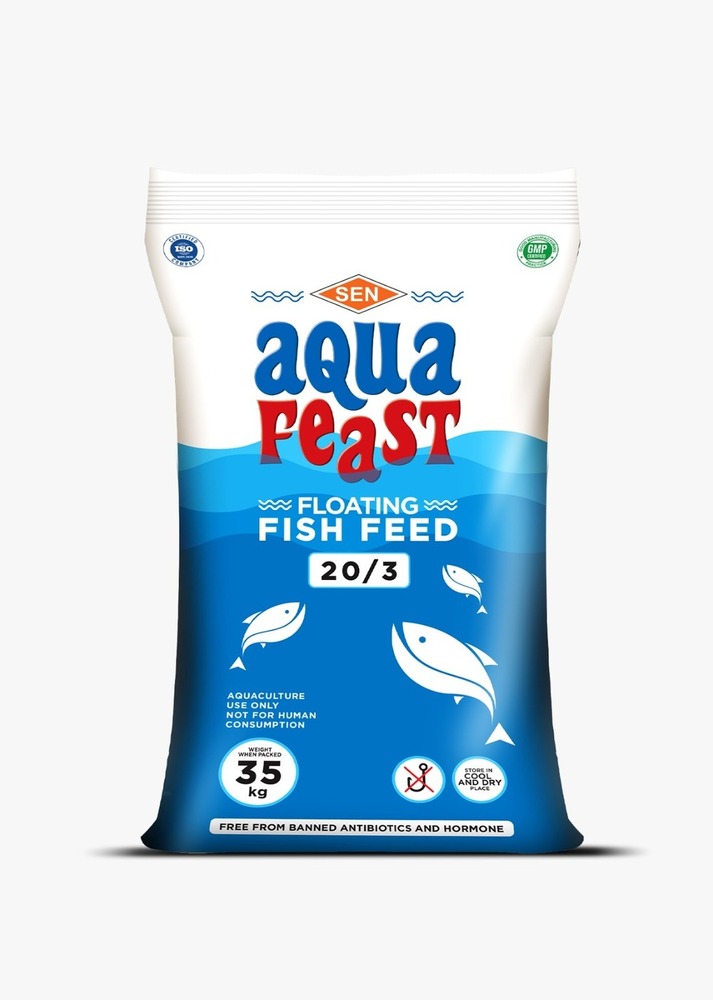
FLOATING FEED 4.0 MM (20/3)
Price 1575.0 INR / Bag
Minimum Order Quantity : 2 Bags
Shape : Cylindrical
Product Type : Other
Diameter : 45 Centimeter (cm)
Material : Plastic
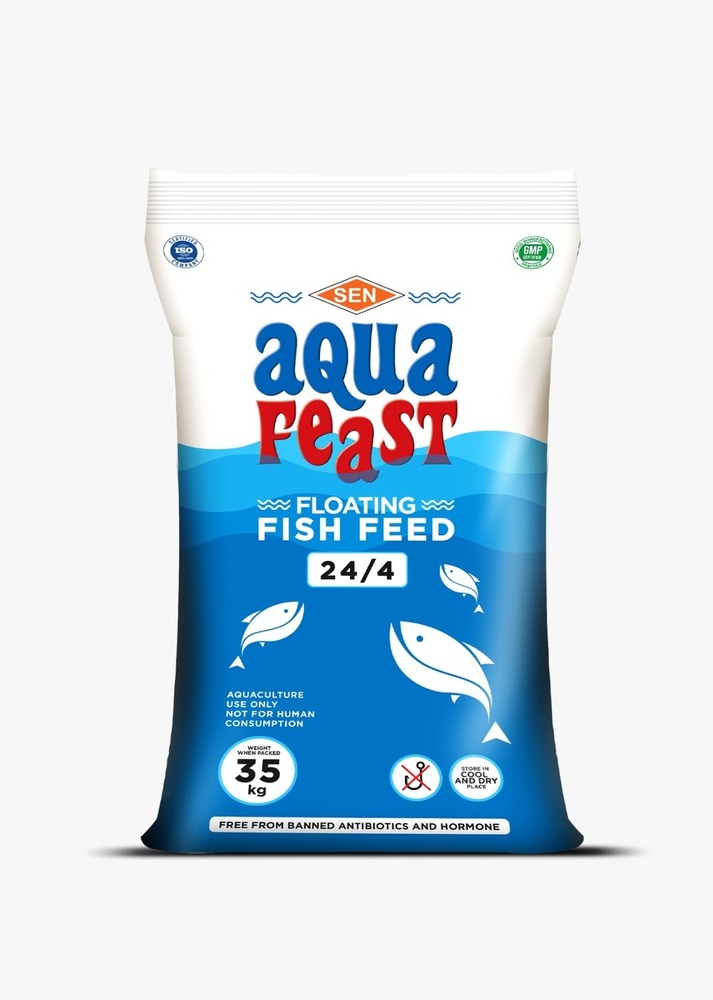
FLOATING FEED 4.0 MM (24/4)
Price 1820.0 INR / Bag
Minimum Order Quantity : 1 Bag
Shape : Cylindrical
Product Type : Other
Diameter : 45 Centimeter (cm)
Material : Plastic
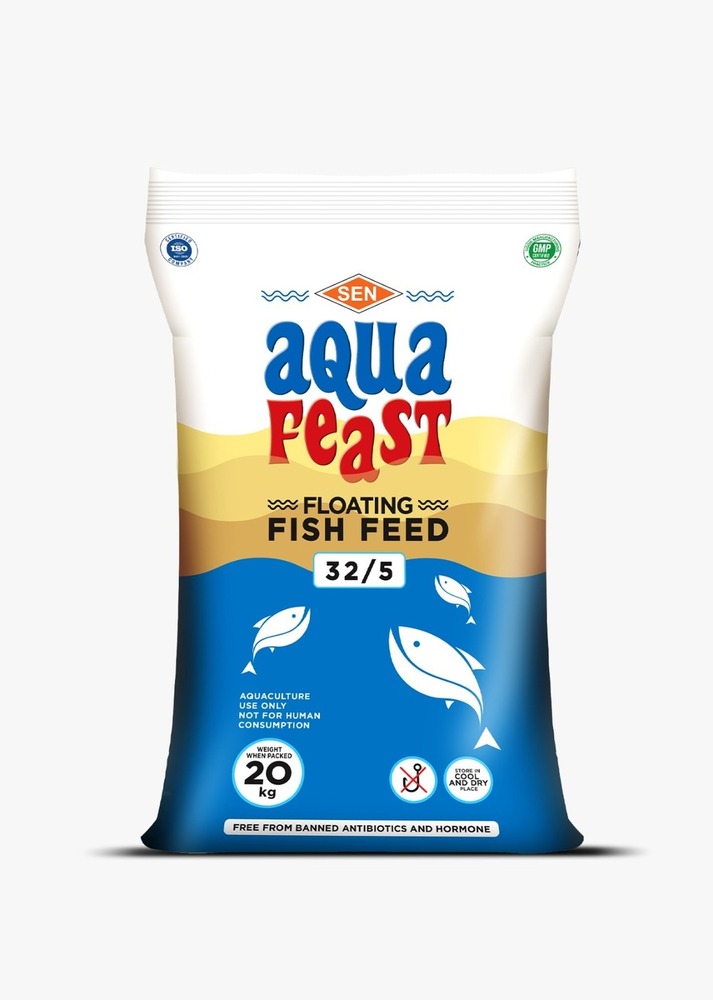
FLOATING FEED 1.0MM
Price 1580.0 INR / Bag
Minimum Order Quantity : 1 Bag
Shape : Granular
Product Type : Other
Diameter : 42 Centimeter (cm)
Material : Granules
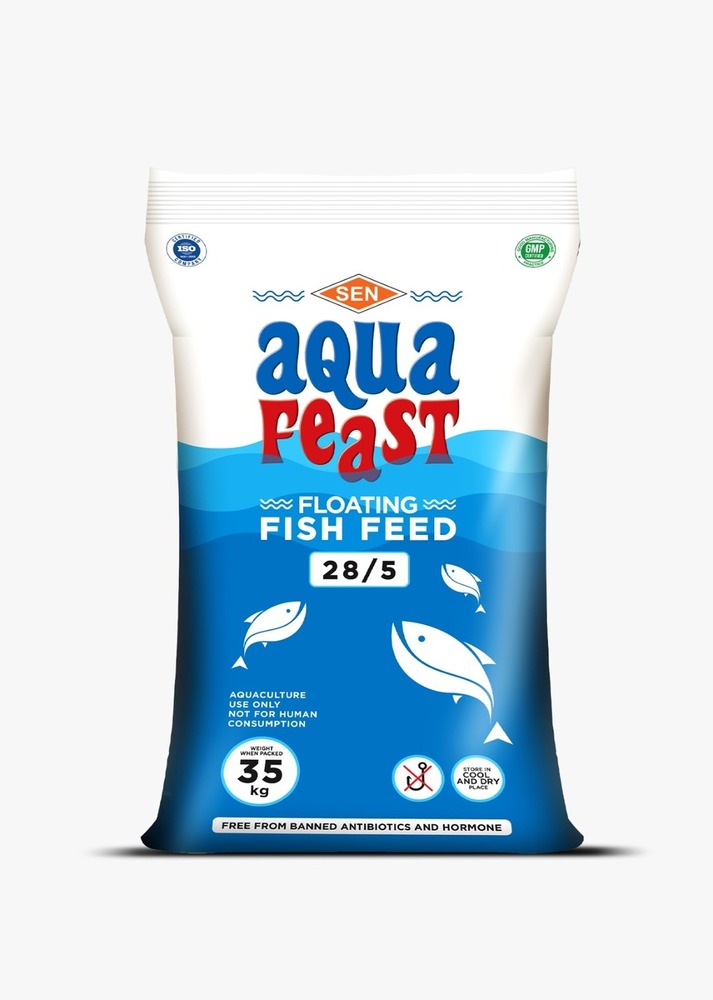
FLOATING FEED 4.0 MM (28/5)
Price 2100.0 INR / Bag
Minimum Order Quantity : 1 Bag
Shape : Cylindrical
Product Type : Other
Diameter : 45 Centimeter (cm)
Material : High Quality Ingredients

Developed and Managed by Infocom Network Private Limited.

