
 Send Inquiry
Alkalinity Test Kit
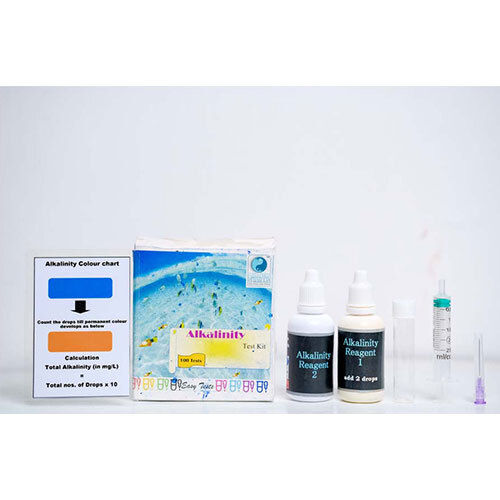

Alkalinity Test Kit Specification
- Features
- Best Quality
- Fish Group
- NA
- Capacity
- NA Pcs/min
- Filtration Property
- check the measuring chart
- Dimension (L*W*H)
- 10X20X15 Centimeter (cm)
- Scientific Name
- NA
- Water Type
- POND WATER
- Usage & Applications
- Always remember 1. To wash the test vials properly before test. 2. While matching the colour of the test sample with colour, always place the vial against a white background, to get maximum accuracy. 3. Test the samples as soon as possible after collecting it from the source. Test Procedure: 1. Rinse the vial with sample water. Fill the test vial with 4 ml of pond/tank water using syringe. 2. Add 2 drops of Alkalinity Reagent 1, close the cap and mix. Colour of the test sample should turn green/blue. *For expected Alkalinity between 10-200 PPM 3. Open the cap and add Alkalinity Reagent 2 drop wise until the colour changes to permanent yellow, count the drops used in this process. 4. Calculate the alkalinity in mg/Liter or PPM by multiplying number of drops by 10 *For expected Alkalinity between 100-2000 PPM 3. Open the cap and add Alkalinity Reagent 3 drop wise until the colour changes to permanent yellow, count the drops used in this process. 4. Calculate the alkalinity in mg/Liter or PPM by multiplying number of drops by 100 .
- Temperature
- NA Celsius (oC)
- Life Span
- NA
- Product Name
- Alkalinity Test Kit
- Product Type
- Testing Products
- Material
- Plastic and Paper
- Color
- White
- Feature
- Long lasting
Alkalinity Test Kit Trade Information
- Minimum Order Quantity
- 1 Box
- Payment Terms
- Cash Advance (CA), Cash in Advance (CID)
- Supply Ability
- 30 Boxes Per Month
- Delivery Time
- 21 Days
- Sample Available
- No
- Packaging Details
- REAGENTS TEST TUBES ETC
- Main Domestic Market
- All India
Alkalinity Test Kit About
- Applicability:
Fresh Water,Salt Water,Drinking Water,Industrial water,Pond water,Planted Aquarium
- No. of tests per kit:
100,200,300 (or as per customer's requirement)
- Reading ability:
10- 400 PPM, 10- 200 PPM, 100 - 2000 PPM mg/L as CaCO3 (or as per customer's requirement)
Easy and Accurate Alkalinity Testing
This Alkalinity Test Kit simplifies water quality checks in ponds and tanks. The stepwise process ensures accurate readings when the included measuring chart is utilized. By maintaining proper procedures-such as rinsing vials, timely testing, and matching sample colors against a white background-users achieve precise, reliable results.
Long-Lasting and High Quality Materials
Constructed from robust plastic and paper components, the test kit promises durability and longevity. Its design guarantees repeated use without compromising the accuracy or performance of the testing reagents. Enjoy peace of mind with a product crafted for the best quality experience.
For Retailers and Water Quality Professionals
Specially tailored for retailers, suppliers, traders, and wholesalers, this kit meets the needs of professionals handling various water types, particularly in India. The filtration property enhances measurement dependability, supporting informed water management decisions.
FAQ's of Alkalinity Test Kit:
Q: How do I use the Alkalinity Test Kit to check pond water?
A: Start by rinsing the provided vial with your sample water. Fill it with 4 ml of pond or tank water, then add 2 drops of Alkalinity Reagent 1 and mix. Depending on the expected alkalinity, proceed with the corresponding reagent, and count the drops added until the color permanently changes to yellow. Multiply the drops used by 10 or 100, as indicated, to calculate alkalinity in mg/L or PPM.Q: What steps are necessary to ensure accurate test results?
A: To achieve precise results, always wash the test vials before use, test samples shortly after collection, and match color changes against a white background. Following the kit's protocol avoids contamination and enhances reading clarity.Q: When should I perform the alkalinity test after collecting water?
A: It is important to test the water sample as soon as possible after collection. Delays may alter water properties, affecting the test's accuracy and reliability.Q: Where can this test kit be applied?
A: This kit is designed for use with pond and tank water. It suits a variety of water management settings for retailers, suppliers, and professionals needing regular alkalinity assessments.Q: What are the benefits of the filtration property in this test kit?
A: The filtration feature minimizes contamination, providing more accurate and consistent measurements. This ensures reliable water quality monitoring over time.Q: How do I interpret the test results using the measuring chart?
A: After adding the reagents and recording the number of drops required to reach a yellow endpoint, simply multiply the number of drops by 10 or 100, as specified, to determine the alkalinity concentration in mg/L or PPM. Refer to the included measuring chart for guidance.
Price:
- 50
- 100
- 200
- 250
- 500
- 1000+

More Products in Water Test Kit Category
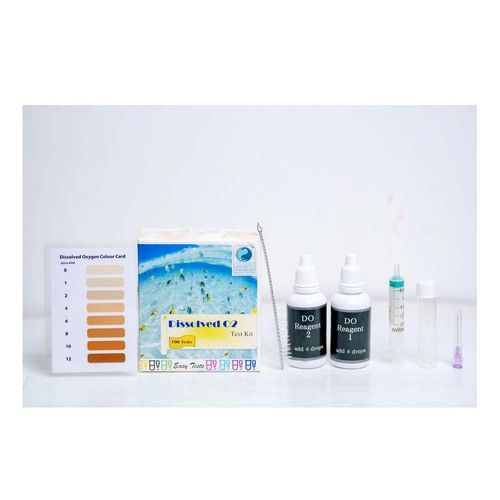
Dissolved Oxygen Test Kit
Price 1199.0 INR / Box
Minimum Order Quantity : 1 Box
Feature : Long lasting
Product Type : Testing Products
Material : Plastic , Paper
Product Name : Dissolved Oxygen Test Kit
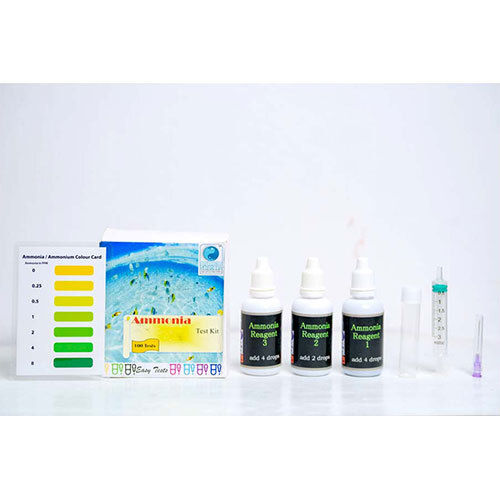
Ammonia Test Kit
Price 799.0 INR / Piece
Minimum Order Quantity : 1 Piece
Feature : Ammonia Test Kit
Product Type : Testing Products
Material : Plastic and Paper
Product Name : Ammonia Test Kit
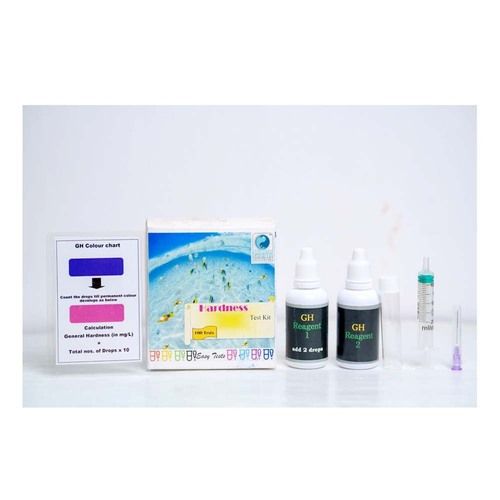
Hardness Test Kit
Price 799.0 INR / Piece
Minimum Order Quantity : 1 Piece
Feature : Long lasting
Product Type : Testing Products
Material : PP
Product Name : Hardness Test Kit
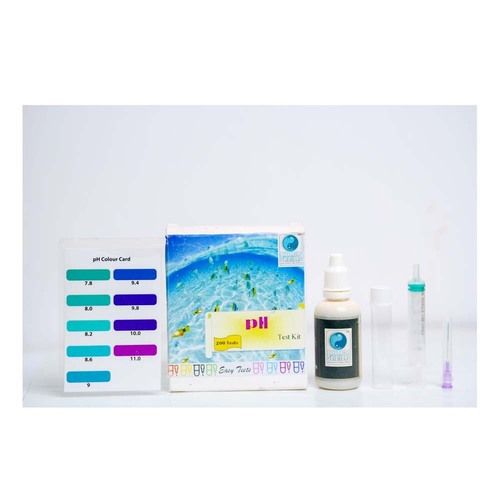
pH Test Kit
Price 499.0 INR / Box
Minimum Order Quantity : 1 Box
Feature : Long lasting
Product Type : Aquariums
Material : PP
Product Name : pH Test Kit

Developed and Managed by Infocom Network Private Limited.

